Three hundred units.
Six unit types. One schedule.
Multi-family is not a big residential project. It is six packages specified once and delivered three hundred times, in stages, against a durability floor that is the business model rather than a preference. Workroom holds the unit type as a record, so a change lands on every unit carrying it instead of on a spreadsheet somebody has to remember to update.


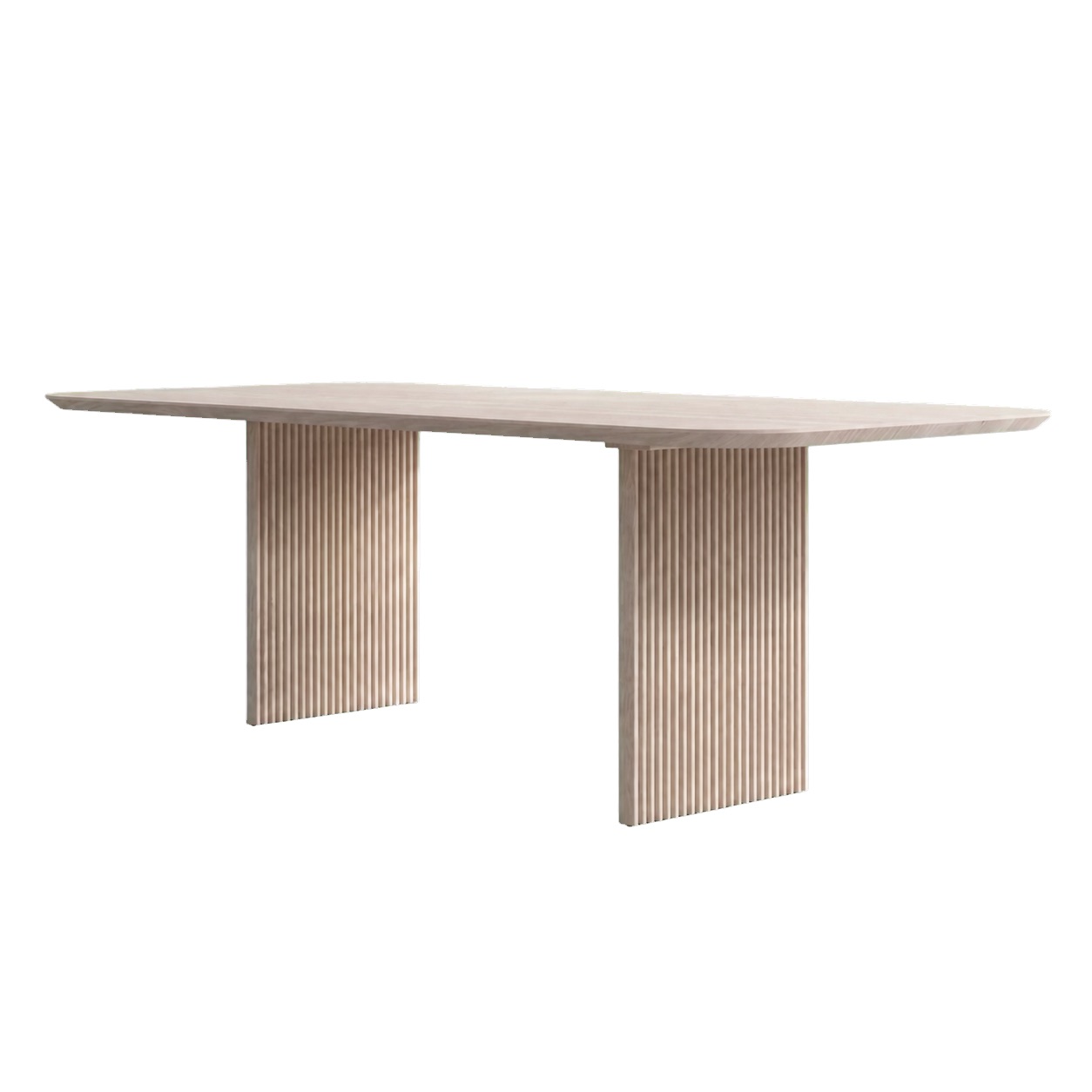


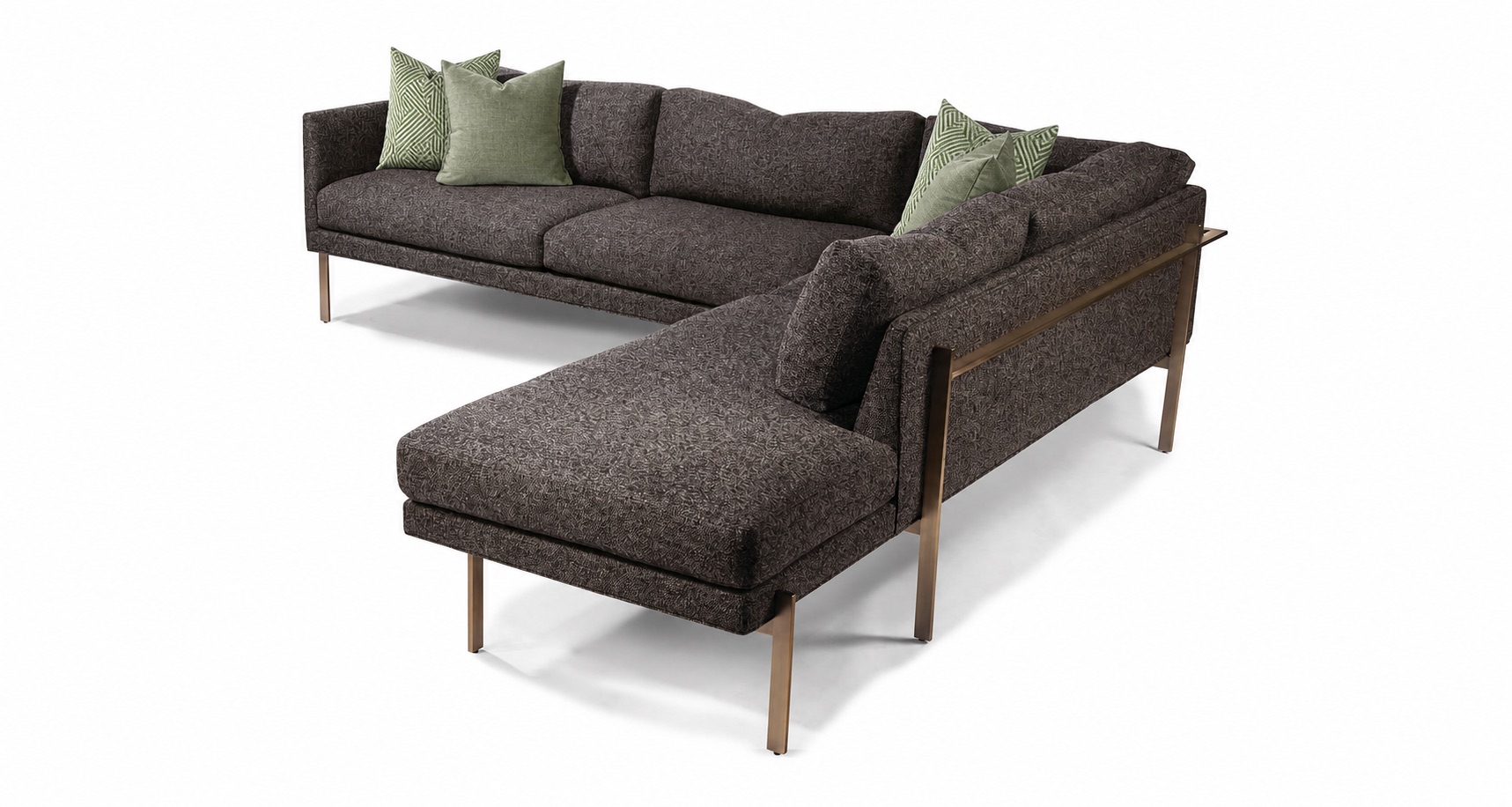
One library across every unit type and every building, filterable by vendor, room or status.
Trusted by the studios doing the work
A change to one package is a change to ninety units
The failure mode is always the same. A sofa is discontinued in month four, the unit type gets updated in a schedule, and three buildings later somebody is still ordering the old one because their copy of the spreadsheet was made in March.
Duplicate a unit type onto a new building and it carries the whole record: vendor, model number, finish, lead time, freight rule and its sub-items. Replace a line in the package once and every unit still to be ordered inherits it.
- Duplicate a unit-type package onto a new building
- Sub-items travel with the parent product
- Replace a discontinued line once, not per building
- Already-ordered units keep their own history

Specify it once. Deliver it ninety times.
Everything that makes multi-family profitable also makes it fragile: the same package, at volume, with no room to absorb a mistake quietly.
- One schedule per unit type: every field on the line, so a unit inherits the package rather than a fresh interpretation
- Substitutions that stick: a discontinued line is replaced in the package, not in six separate schedules
- Upgrades stay contained: a penthouse variation is a change order against that unit, and the base package stays intact
Building C opens whether or not Building D is ready
Nothing lands at once. Buildings release on their own certificates of occupancy, and a delivery that arrives for the wrong phase is a storage bill and a damage claim rather than progress.
Orders and receiving group by building and release. Balances, aging and acknowledgements follow whatever filter you are in, so “what is outstanding on Building C” is a view rather than an afternoon.
- Filter the order book by building, release or vendor
- Acknowledgement and receiving state on every row
- Balances and aging follow the filter
- Damage and claim windows tracked against the item
Five of these eight are not yet acknowledged. A 6% increase from this vendor would reach $1,156.80 across the open lines on this filter alone.
In build-to-rent, the spec is the warranty
Everything you specify gets used harder than it would in a home and replaced on a schedule somebody has already budgeted. A fabric that fails early is not an apology and a re-order. It is the same wrong fabric in every unit, discovered after turnover.
Write the floor as a sentence and Walter reads every product specification against it. A rub count, a contract rating, a lead-time ceiling. Nothing is blocked; the flag sits on the record where whoever reviews it will see it.
- Rules in plain English, not a conditions builder
- Scoped to a category or applied to everything
- Checked against every product specified after
- Findings, not hard blocks: you keep the judgment
Or just tell Walter, “add a standard: all casegoods must be AWI Premium Grade.”
Volume hides margin better than anything else
A unit type that moves fastest can be the one carrying the thinnest package. At three hundred units the difference compounds quietly, and without a per-project audit it stays invisible until the year closes.
Workroom audits the same way every time (profit and margin, quoted against actual, best and worst category) so the comparison between unit types is evidence rather than instinct.
- Budget per building and per unit type
- Committed against available, live from product status
- Target margins the audit measures against
- A suggested rate for the next release
Buckets refresh from product status and timelogs. Nobody maintains this.
Multi-family, specifically answered
Can one package be reused across buildings?
Yes. A unit type’s finish and FF&E schedule is a set of records, so a new building starts from the package rather than a blank sheet, carrying vendor, model number, finish, lead time, freight and sub-items with it.
What happens when a line is discontinued mid-rollout?
You replace it in the package once. Units already ordered keep their own history and their own purchase orders; everything still to be ordered inherits the replacement.
Can we track receiving by building rather than by project?
Yes. Purchase orders, acknowledgements and receiving all filter by building and release, and balances and aging follow the filter you are in.
Is Workroom a construction management system?
No. It does not do takeoffs, bid leveling or field daily logs. It holds the specification, the procurement, the trade bills, the change orders and the money: the half most developers and their design teams currently run in spreadsheets.
How do penthouse or accessible-unit variations work?
As a change order against that unit, so the base package is never edited by a single variation. Approved changes crossing a share of the contracted budget flag automatically.
Bring us one unit type and the buildings running it.
We will set the package up on the call, then filter it by vendor and by building, and you can see exactly what one substitution would touch across the release.